

From university research to industrial artificial intelligence and healthcare applications, the technology’s practical possibilities were showcased in numerous fields at the 2026 HPC–AI 2026 conference held on October 22, 2026. The event organized by SZTE TTC Zrt. focused attention on the importance of collaborations between researchers, technology companies, innovators, and business decision-makers.
University knowledge, corporate innovation, a shared future
Despite the upcoming 3-day celebration, nearly 120 people attended the professional event, which was opened by András Ujhegyi, CEO of SZTE TTC Zrt.
At the opening, the leadership of the University of Szeged – including Prof. Dr. Kónya Zoltán, Vice Rector for Science and Innovation at the University of Szeged and Prof. Dr. Csóka Ildikó, Chief Strategic Officer at the University of Szeged – highlighted the connection between the university research infrastructure, scientific excellence, and economic utilization. One of the conference’s key messages was that the true value of artificial intelligence and high-performance computing is created through practical applications and collaborations.
At the opening, the leadership of the University of Szeged – including Prof. Dr. Kónya Zoltán, Vice Rector for Science and Innovation at the University of Szeged and Prof. Dr. Csóka Ildikó, Chief Strategic Officer at the University of Szeged – highlighted the connection between the university research infrastructure, scientific excellence, and economic utilization. One of the conference’s key messages was that the true value of artificial intelligence and high-performance computing is created through practical applications and collaborations.
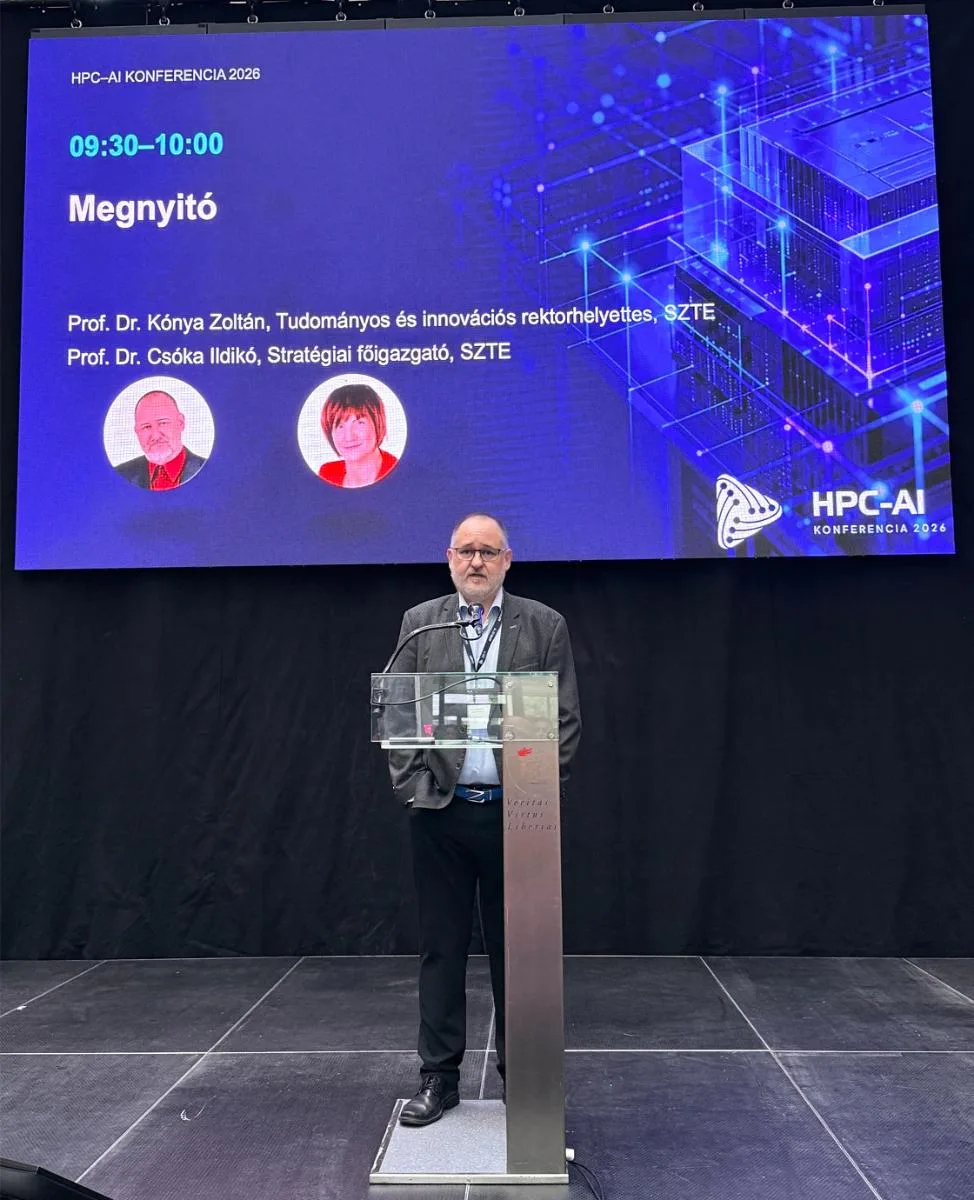
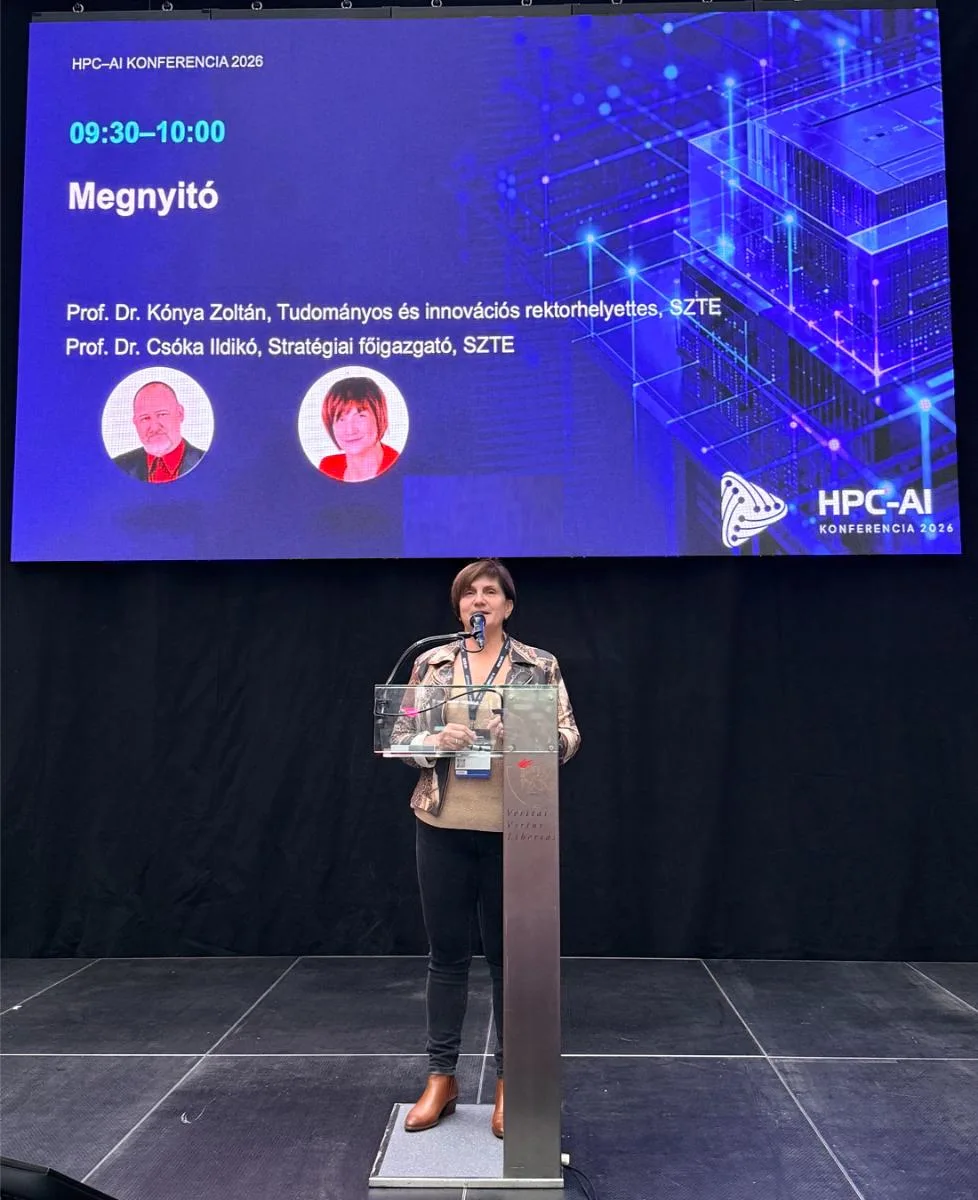
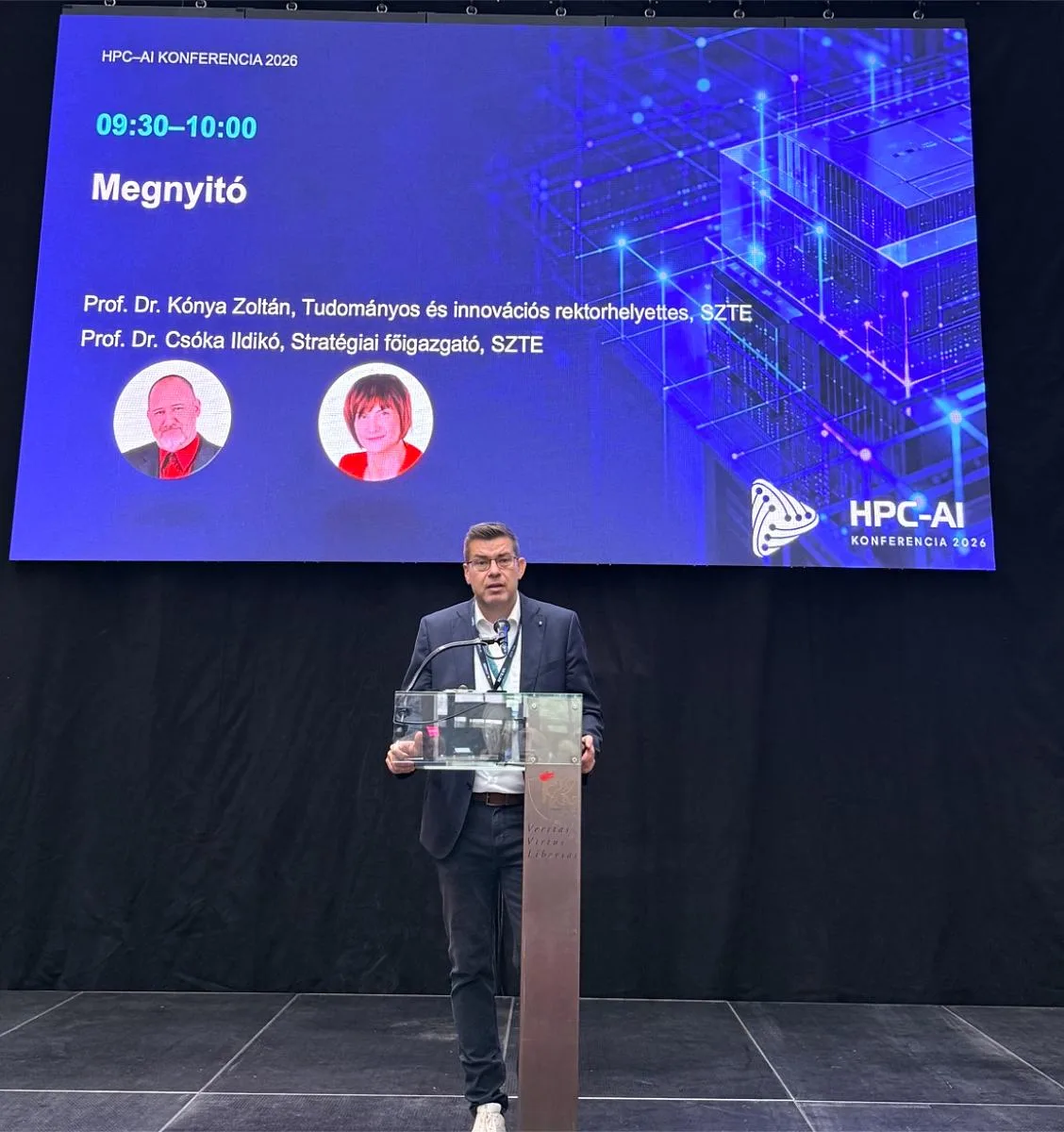
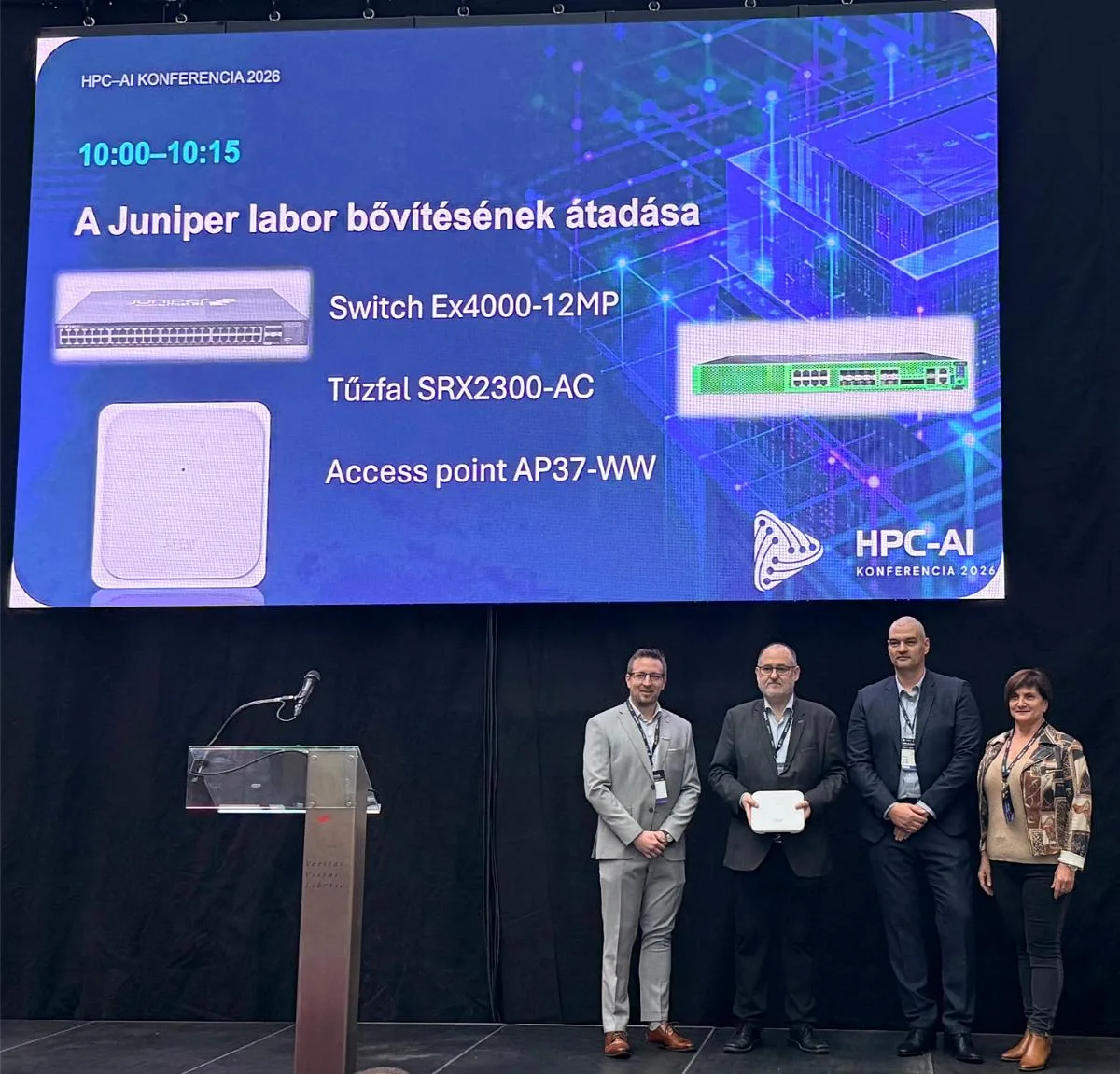
One of the highlights of the opening of the HPC–AI 2026 conference was the ceremonial unveiling of the further expansion of the university network lab. As part of the development, the already available Hewlett Packard Enterprise Aruba technology is complemented by new network devices supported by Juniper artificial intelligence.
Ferenc Végvári, the manager of Commercial and Channel Sales at Hewlett Packard Enterprise, highlights two key technological trends:
Ferenc Végvári, the manager of Commercial and Channel Sales at Hewlett Packard Enterprise, highlights two key technological trends:
- Networking for AI: the rapid and efficient interconnection of high-performance computing systems, eliminating bottlenecks in data transmission.
- AI for Networking: the application of artificial intelligence to automate network management, so that professionals can focus on tasks with higher added value.
Gábor Tóth, Managing Director of PC Trade Systems, emphasized the importance of collaboration between universities, technology companies, and business players. The true value of hpc infrastructure and AI technologies lies in creating new research opportunities, business solutions, and professional partnerships.
From HPC to Business Applications
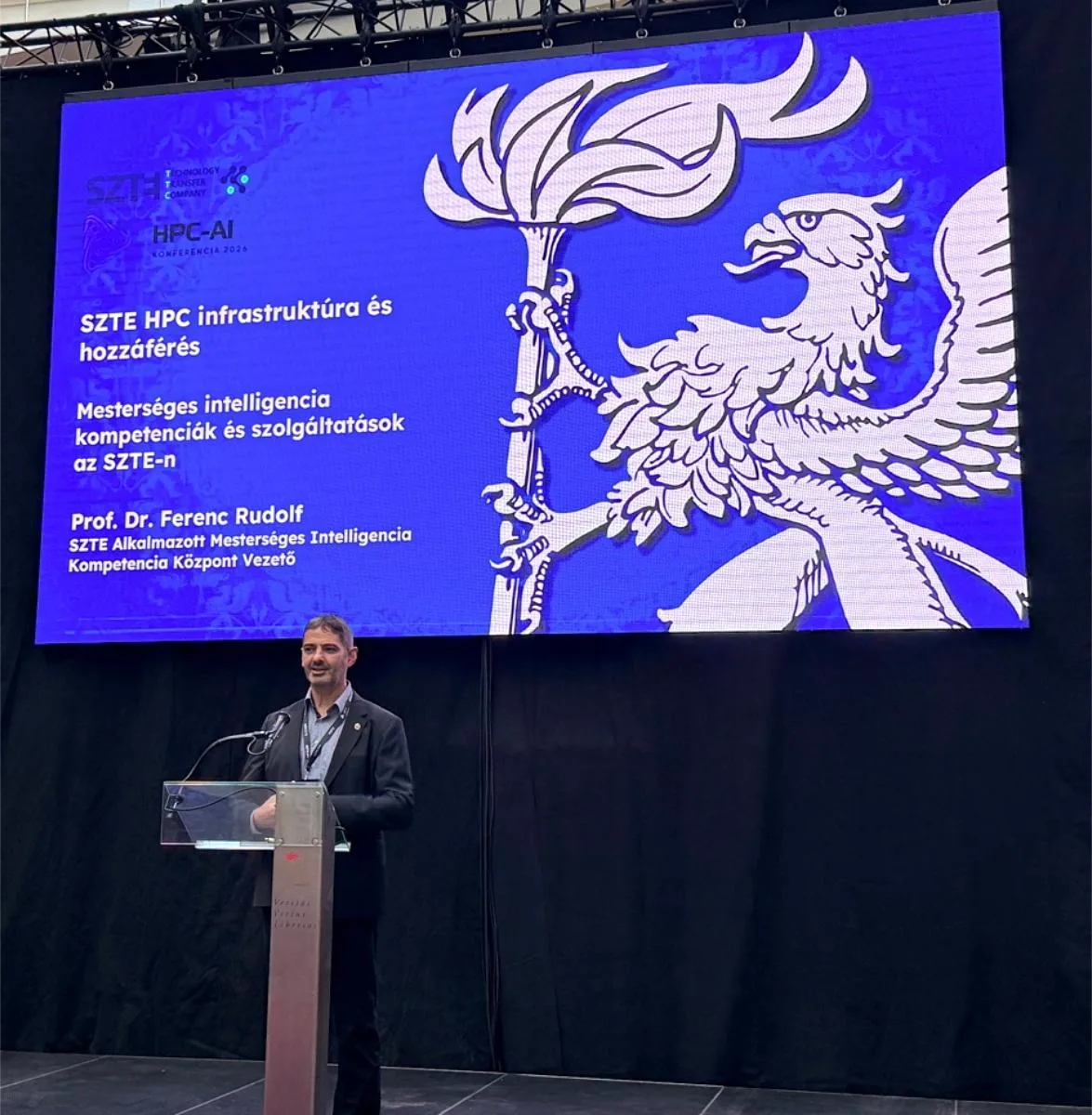
The series of presentations continued with the presentation of university artificial intelligence developments and the practical use of hpc infrastructure. Prof. Dr. Ferenc Rudolf, Head of the Applied Artificial Intelligence Competence Center at SZTE, shared his experiences on how modern computing capabilities support research, algorithm development, and the creation of new technological solutions.
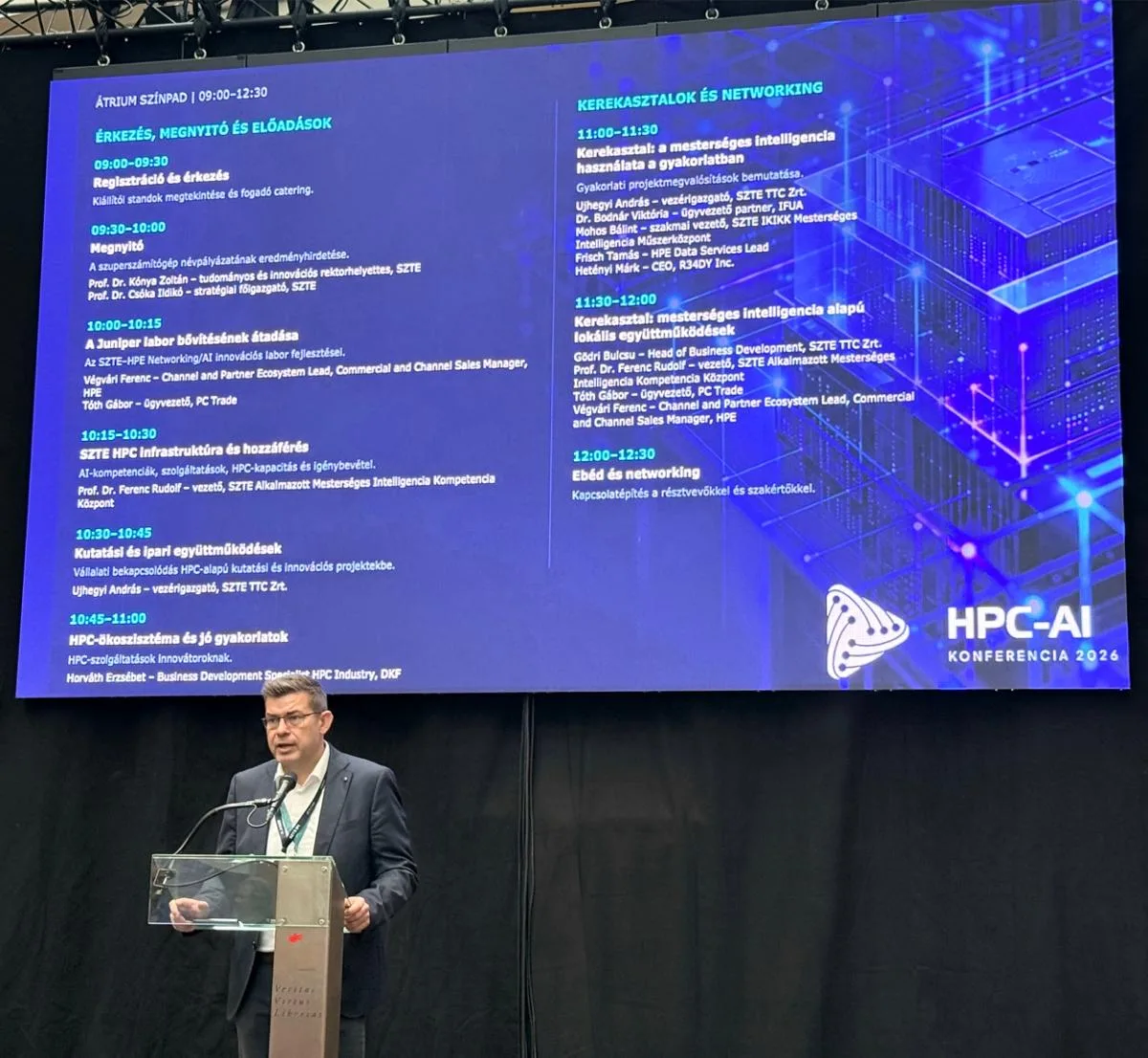
After the presentation of the opportunities of corporate innovation, András Ujhegyi, CEO of SZTE TTC Zrt., highlighted the importance of knowledge transfer between the university and economic actors, i.e., how university competencies can be transformed into market-ready, business-value-creating solutions.
After the presentation of the opportunities of corporate innovation, András Ujhegyi, CEO of SZTE TTC Zrt., highlighted the importance of knowledge transfer between the university and economic actors, i.e., how university competencies can be transformed into market-ready, business-value-creating solutions.
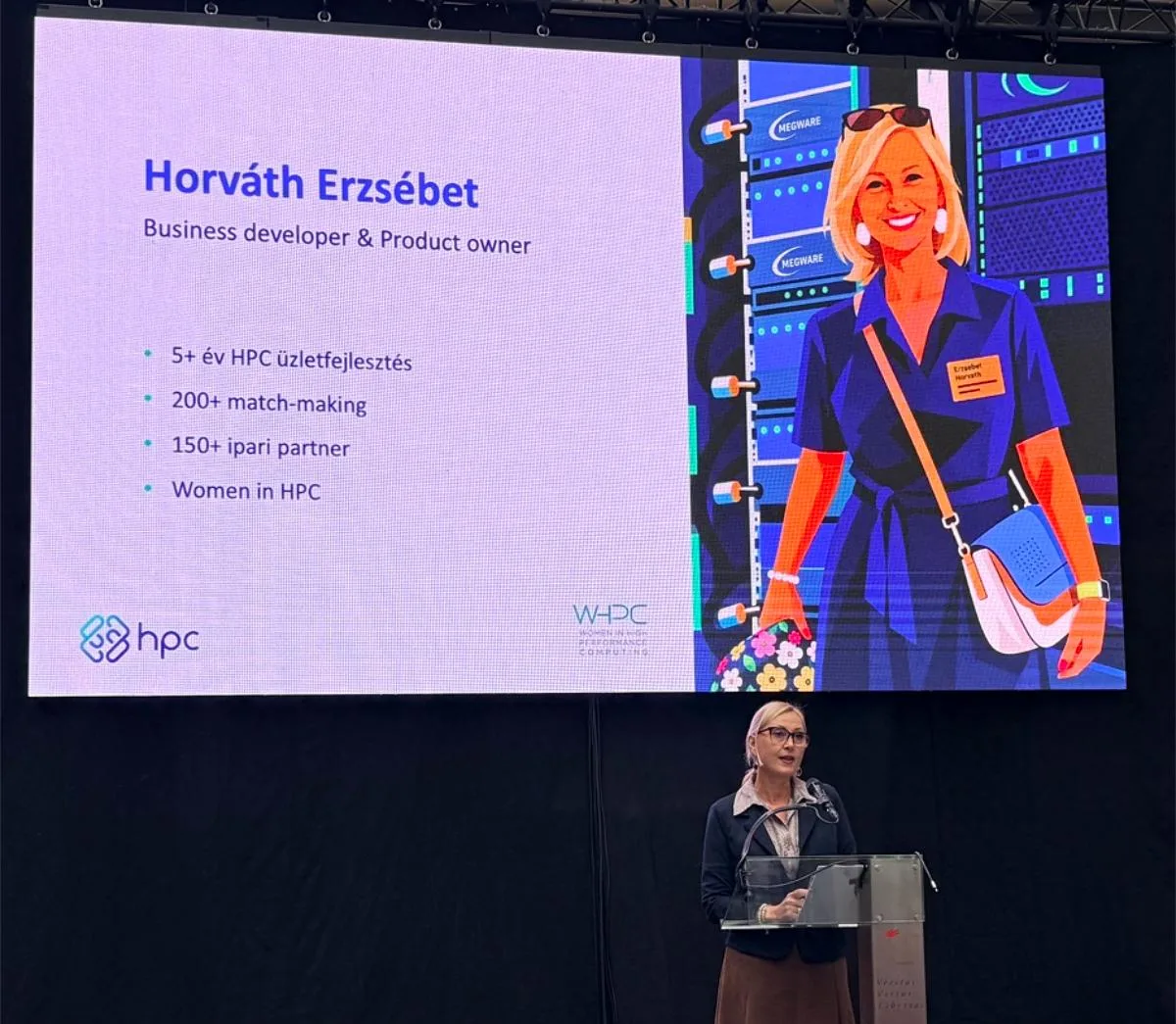
Erzsébet Horváth, expert in HPC services related to szuperszámítógépthe Komondor project, presented the high-performance computing capabilities available to innovators. Her presentation pointed out that HPC technology can play a crucial role not only in scientific research but also in industrial development and corporate innovation.
The comparison between Szeged hpc and Komondor also showed that the different computing infrastructures are not necessarily competitors: through their differing technological specializations, they can complement each other and serve the domestic innovation ecosystem.
The comparison between Szeged hpc and Komondor also showed that the different computing infrastructures are not necessarily competitors: through their differing technological specializations, they can complement each other and serve the domestic innovation ecosystem.
Roundtable discussions: cooperation and technological sovereignty
At the first roundtable discussion on the corporate use of supercomputers and artificial intelligence, Mohos Bálint, the professional manager of the Artificial Intelligence Instrumentation Center at the Faculty of Informatics of the University of Szeged, Frisch Tamás, the head of Hewlett Packard Enterprise Data Services, and Hetényi Márk, the managing director of R34DY, shared their experiences with Ujhegyi András, the CEO of the University of Szeged Technical College, and the interested parties.
The most important lesson:
The success of AI depends not on technological promises, but on measurable business results.
Without adequate data quality, integration, security, and sustainable costs, even the most promising AI development will remain an easy experiment. hpc Infrastructure and university-enterprise collaboration can create a real competitive advantage for the domestic economy. The question of the future is not whether we use AI, but whether we are able to create real value with it.
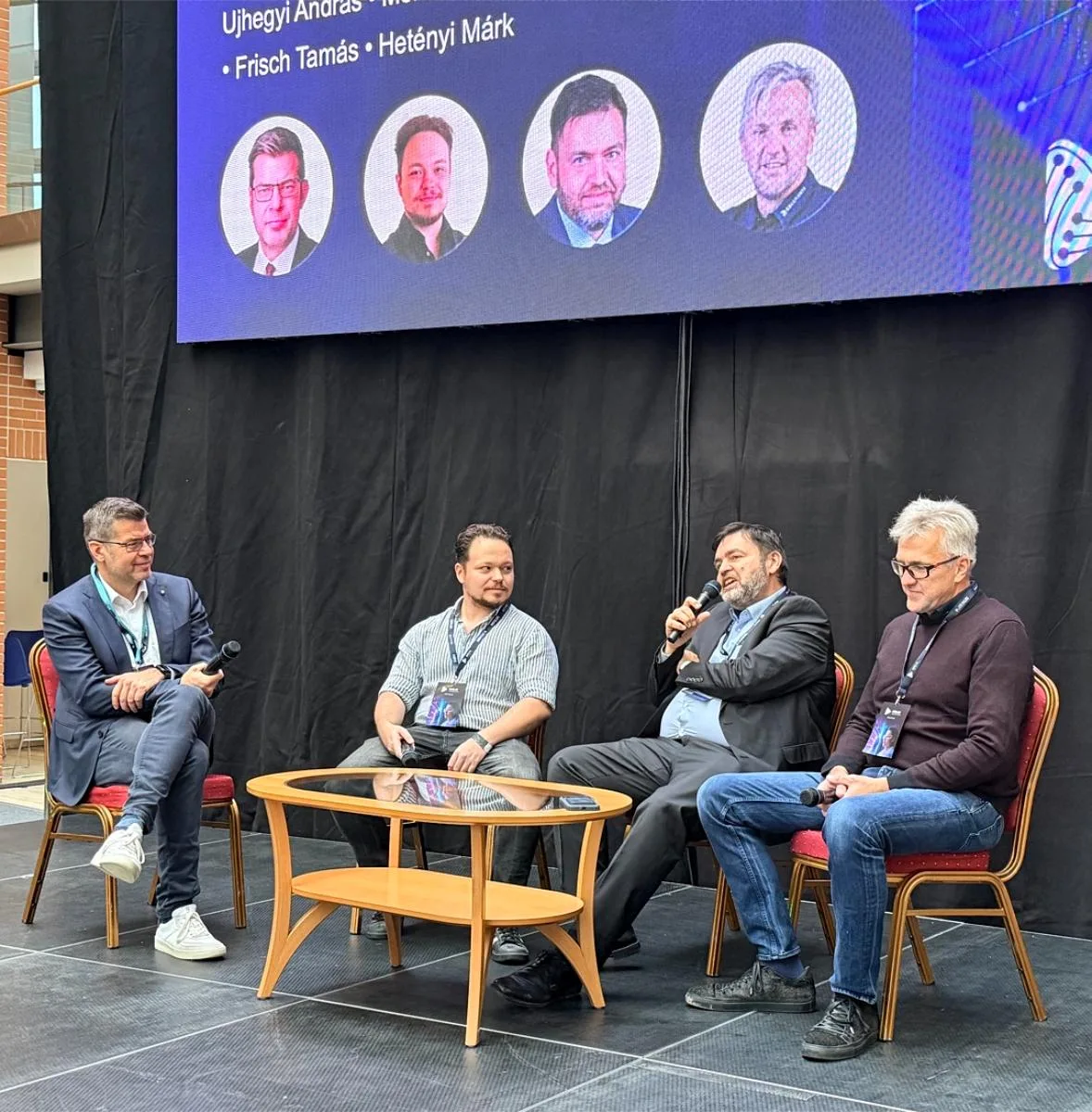
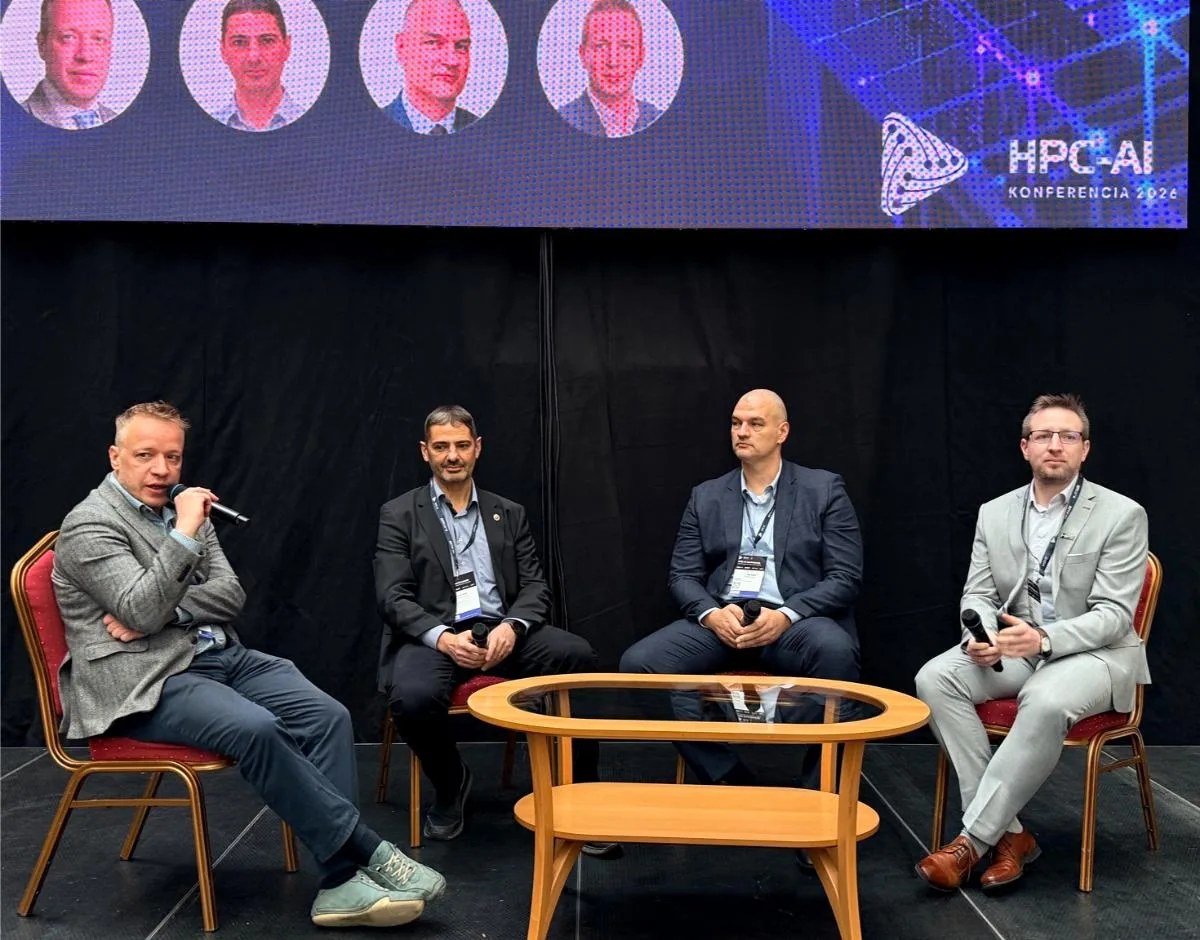
At the next roundtable, which focused on local collaborations, Gödri Bulcsu, Business Development Manager at the SZTE TTC, spoke with Prof. Dr. Ferencz Rudolf, Head of the SZTE Center for Applied Artificial Intelligence Competence, Ferenc Végvári, Manager of the Commercial and Channel Sales at Hewlett Packard Enterprise, and Gábor Tóth, Managing Director of PC Trade Systems.
The roundtable discussion titled „Artificial Intelligence-based Local Collaborations” highlighted that successful AI projects do not require technological enthusiasm alone. They require academic knowledge, technological partners, expert collaboration, measurable results, returns, and real business needs.
With the involvement of the SZTE TTC, the cooperation of regional enterprises and international technology players creates an excellent opportunity to turn innovation into tangible competitive advantage. AI is not a goal, but a tool. Real innovation begins where technology creates business value.
Fundamentals of successful AI implementation and intelligent enterprise solutions
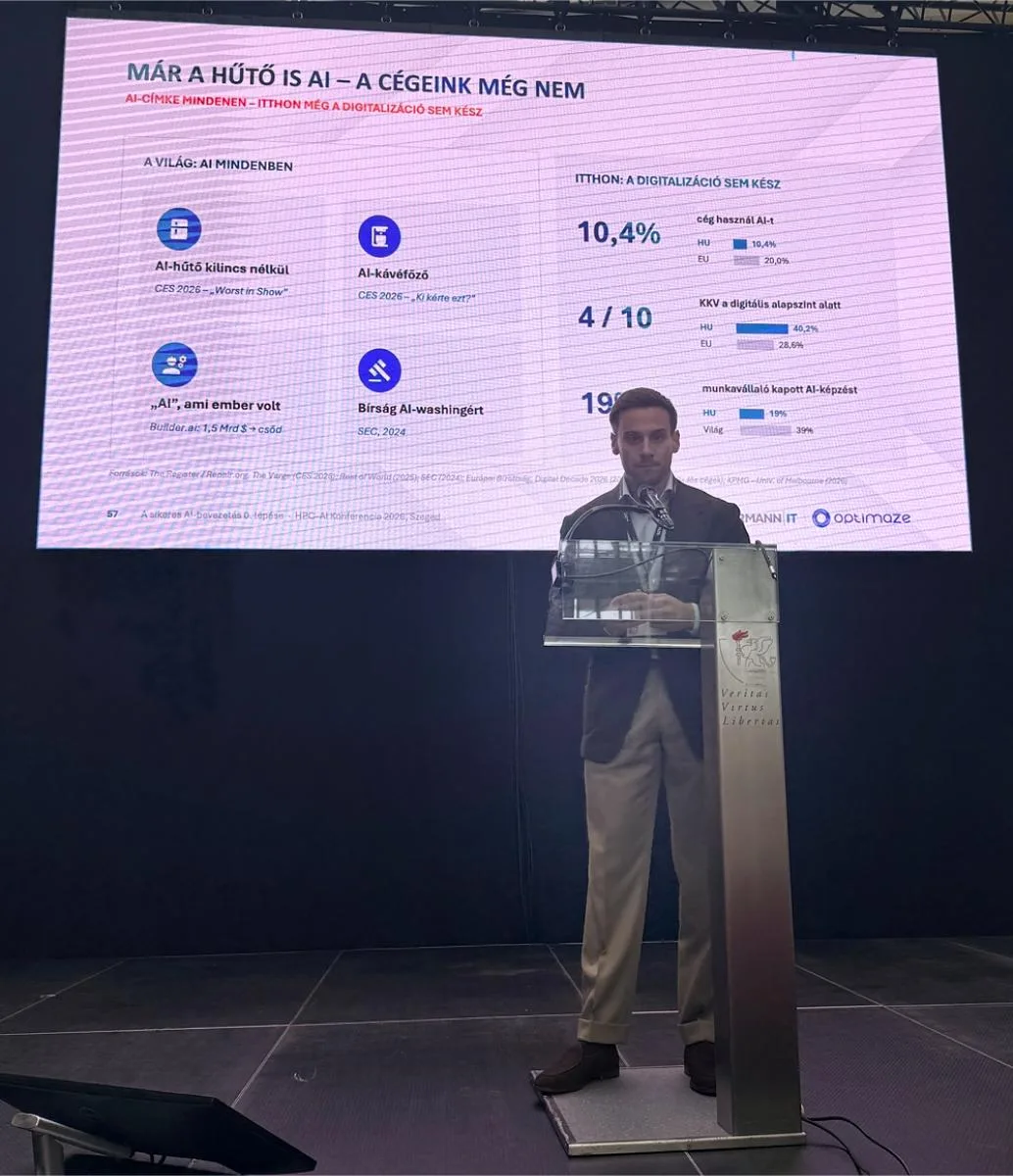
In the afternoon’s professional program, the presentation by Kermann IT Solutions highlighted that the successful implementation of artificial intelligence begins not with the technology, but with the assessment of organizational processes and business needs. Proper data assets, training of employees, and measurable returns are essential prerequisites for successful developments.
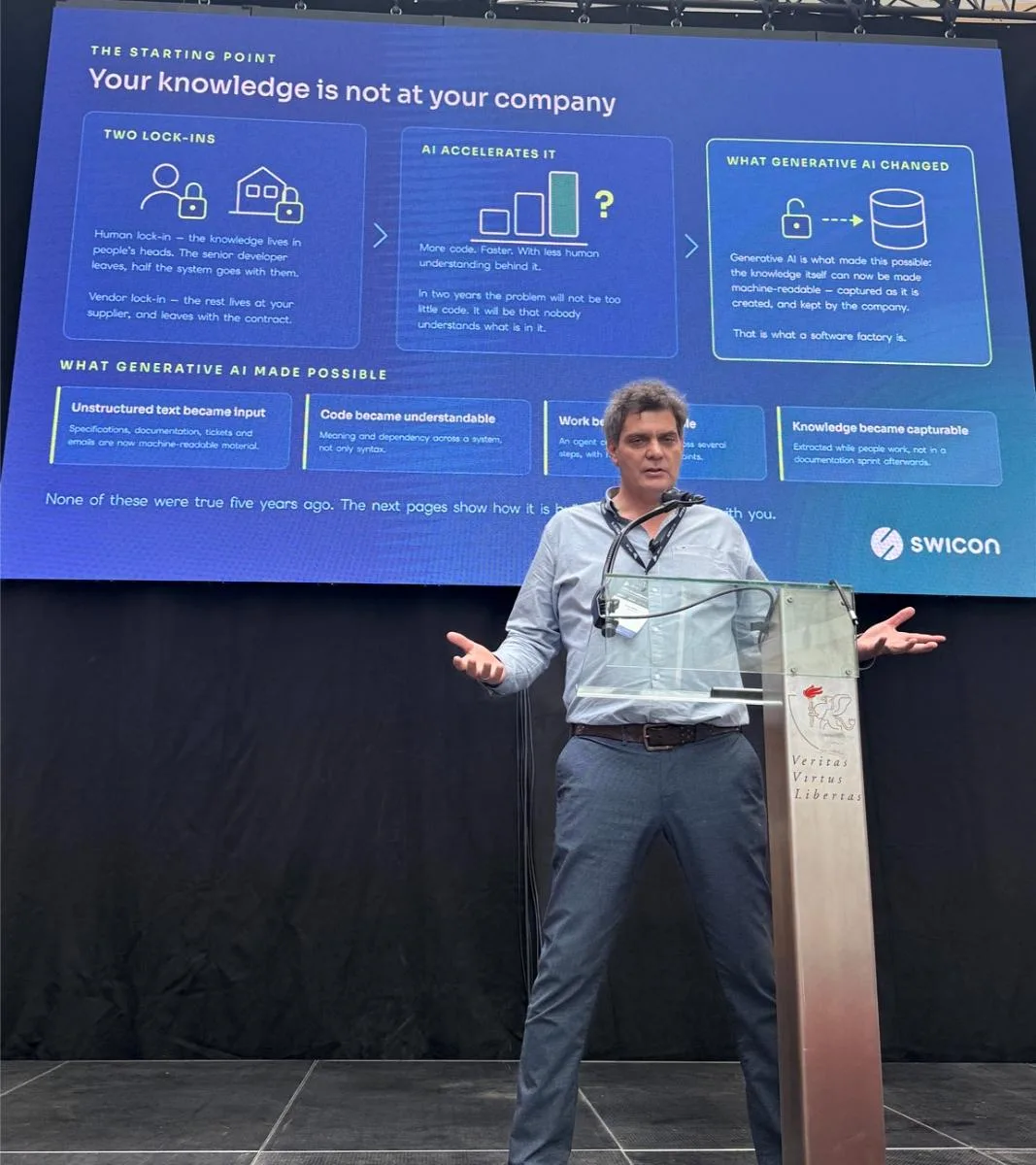
On behalf of SWICON, Viktor Lázár is the Area Manager for AI Solutions, and he presented the transformation of software development and the new possibilities of enterprise knowledge management, with particular emphasis on how AI changes the development workflow and corporate operations.
Robotics, healthcare and telecommunications
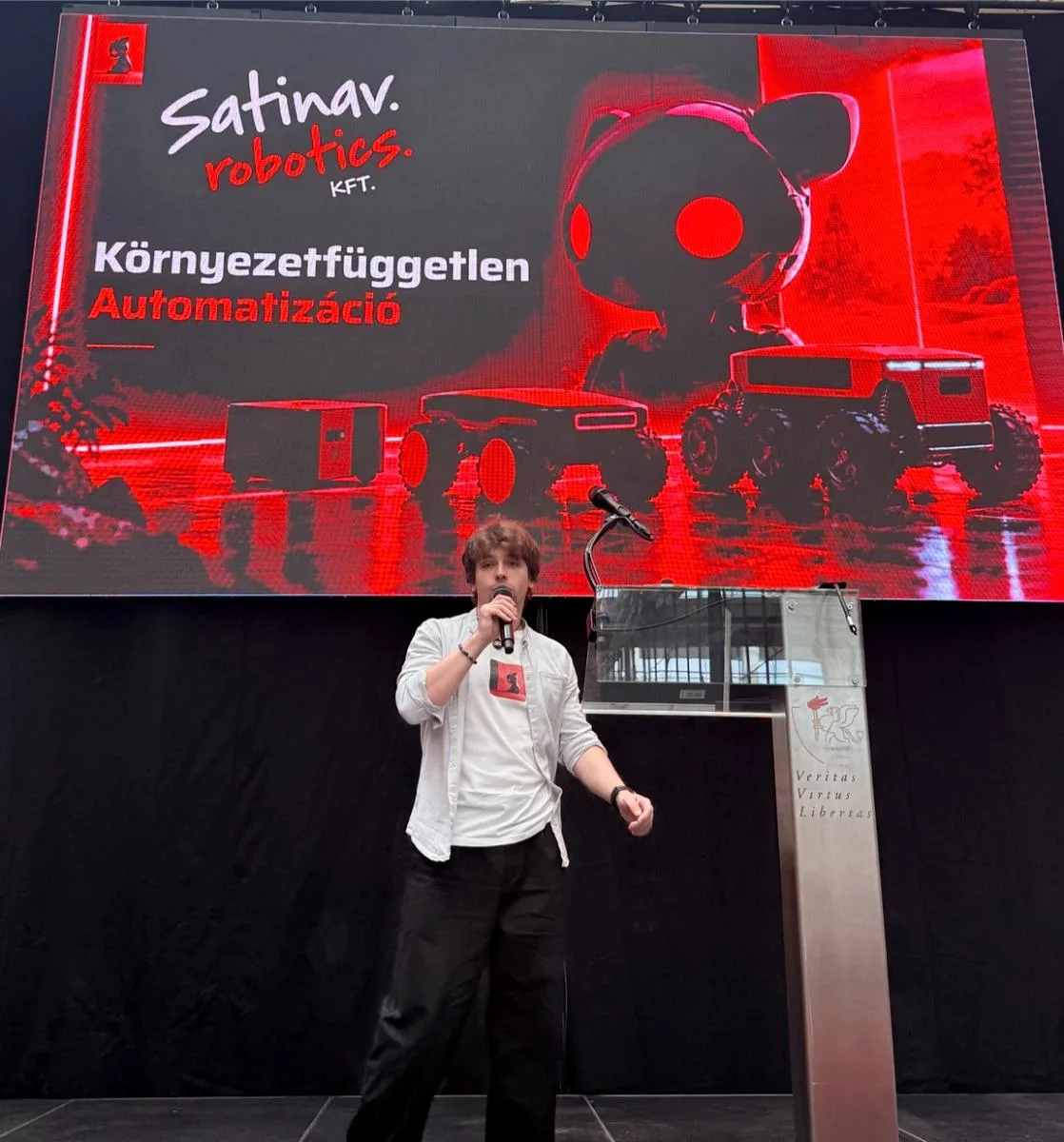
On behalf of SatiNav Robotics Kft., Márk Czimber presented the technological possibilities of environment-independent robot navigation and intelligent fleet management. The presentation vividly demonstrated how autonomous robots can become everyday fixtures in logistics and industrial automation.
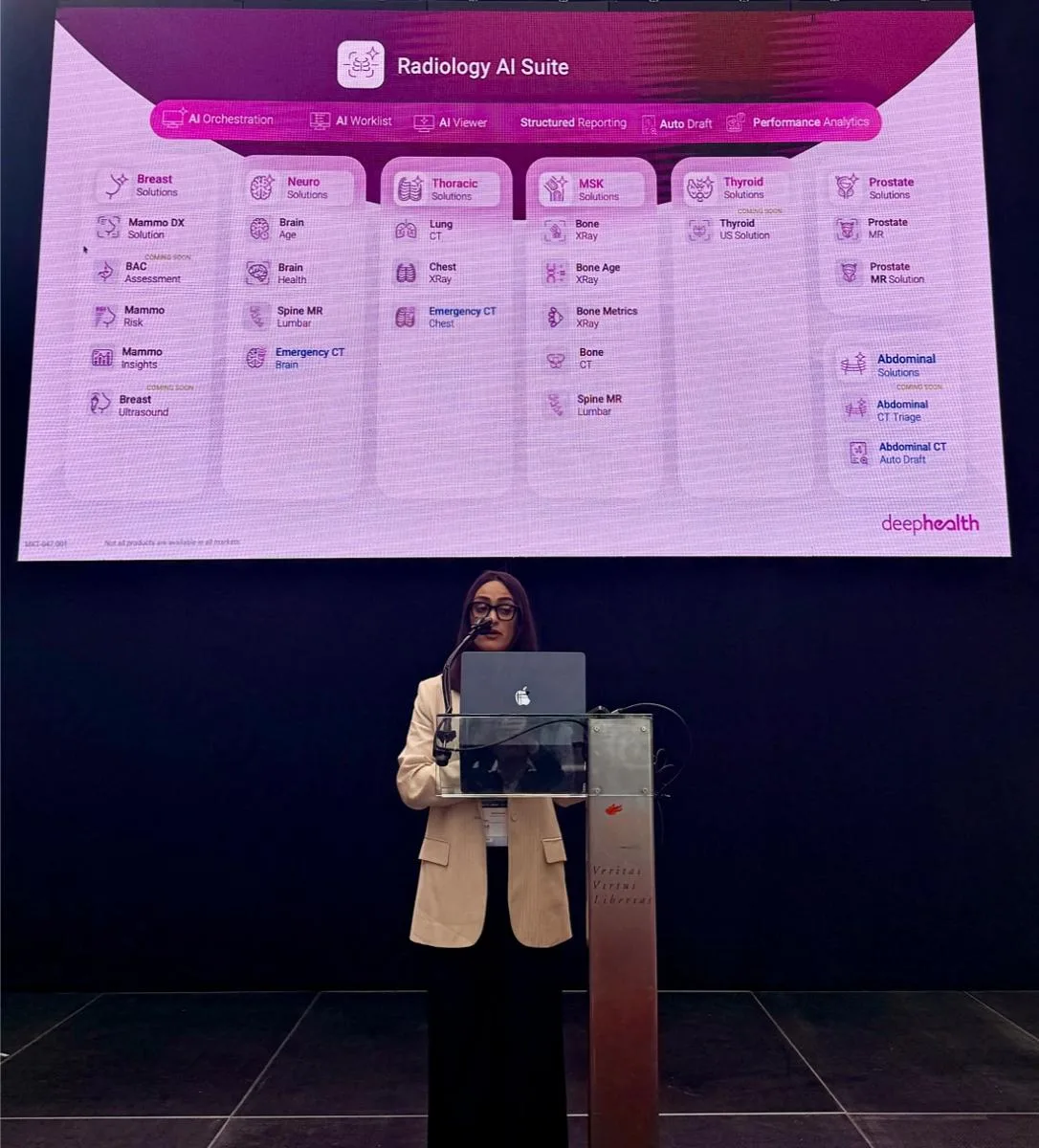
In the field of healthcare innovation, represented by DeepHealth, Sahar Al Kamand (Gleamer) presented the applications of artificial intelligence in radiology. The presentation focused on the development of medical imaging, diagnostic workflows, and digital health systems.
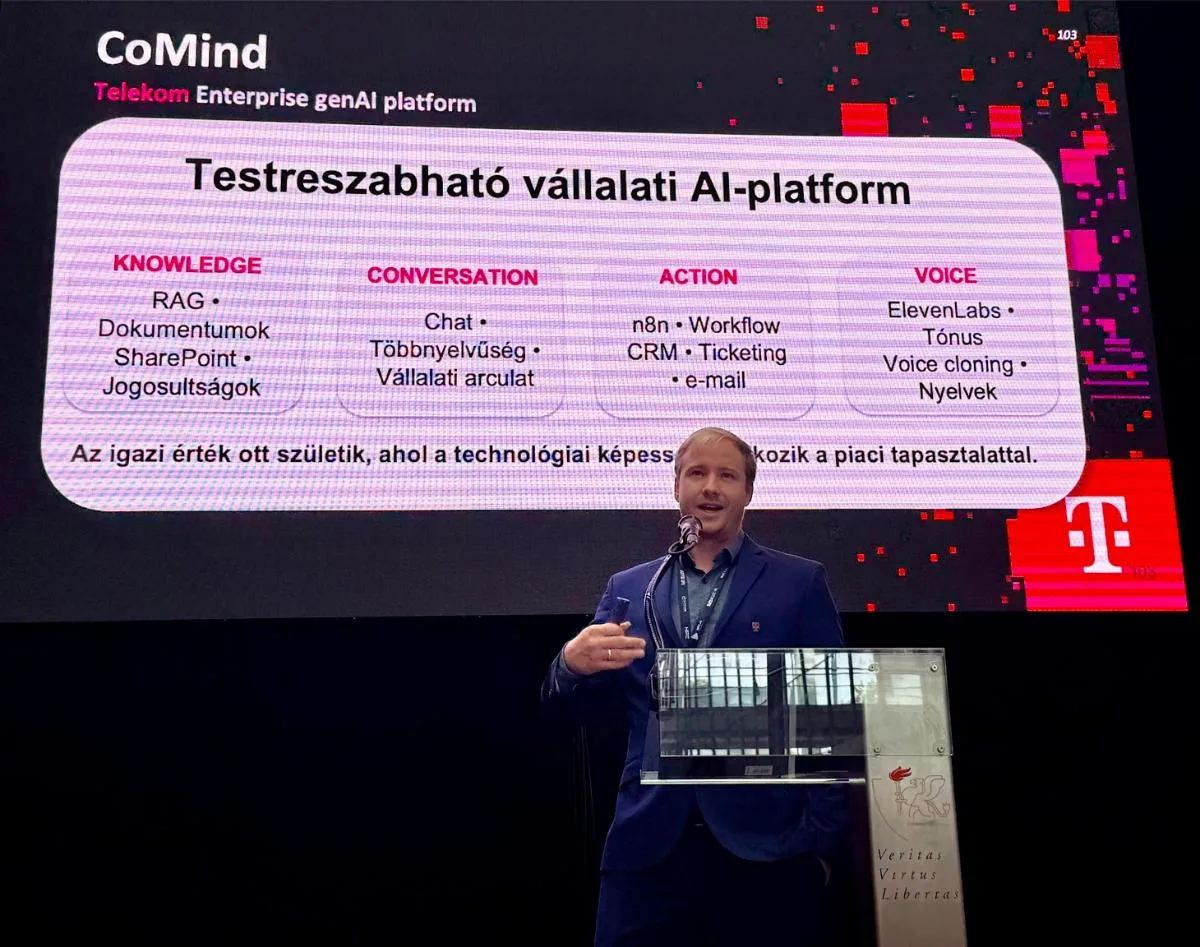
On behalf of Magyar Telekom, Tamás Bartók presented the experiences of developing the company’s AI strategy and the development of intelligent customer service solutions. The presentation highlighted that artificial intelligence is becoming a crucial tool for improving the efficiency of large-scale business operations and improving the customer experience.
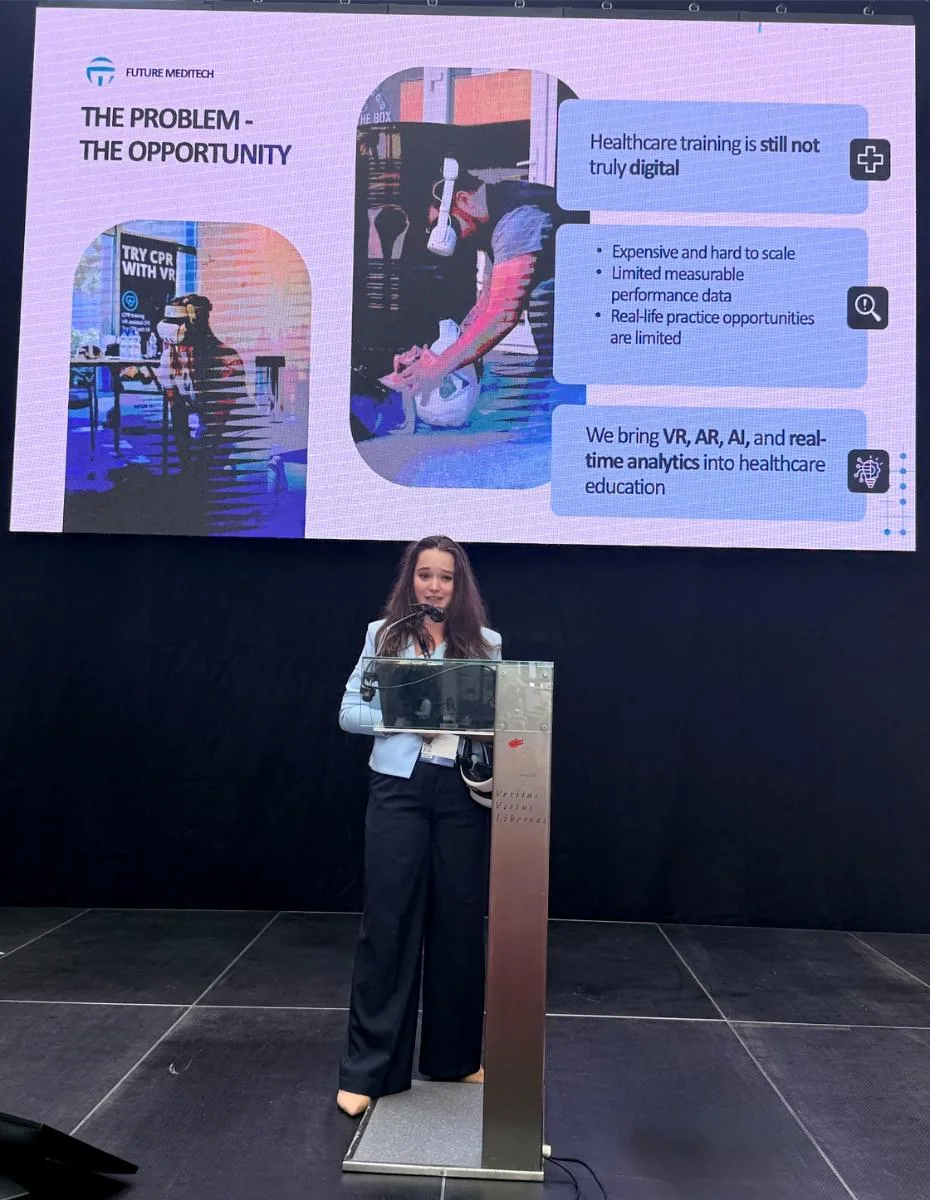
On behalf of Future Meditech, Vaskó Lili presented the possibilities of virtual reality-based healthcare simulations and fatigue monitoring. The presentation highlighted the innovative digital technologies’ potential for patient safety, training, and healthcare applications.
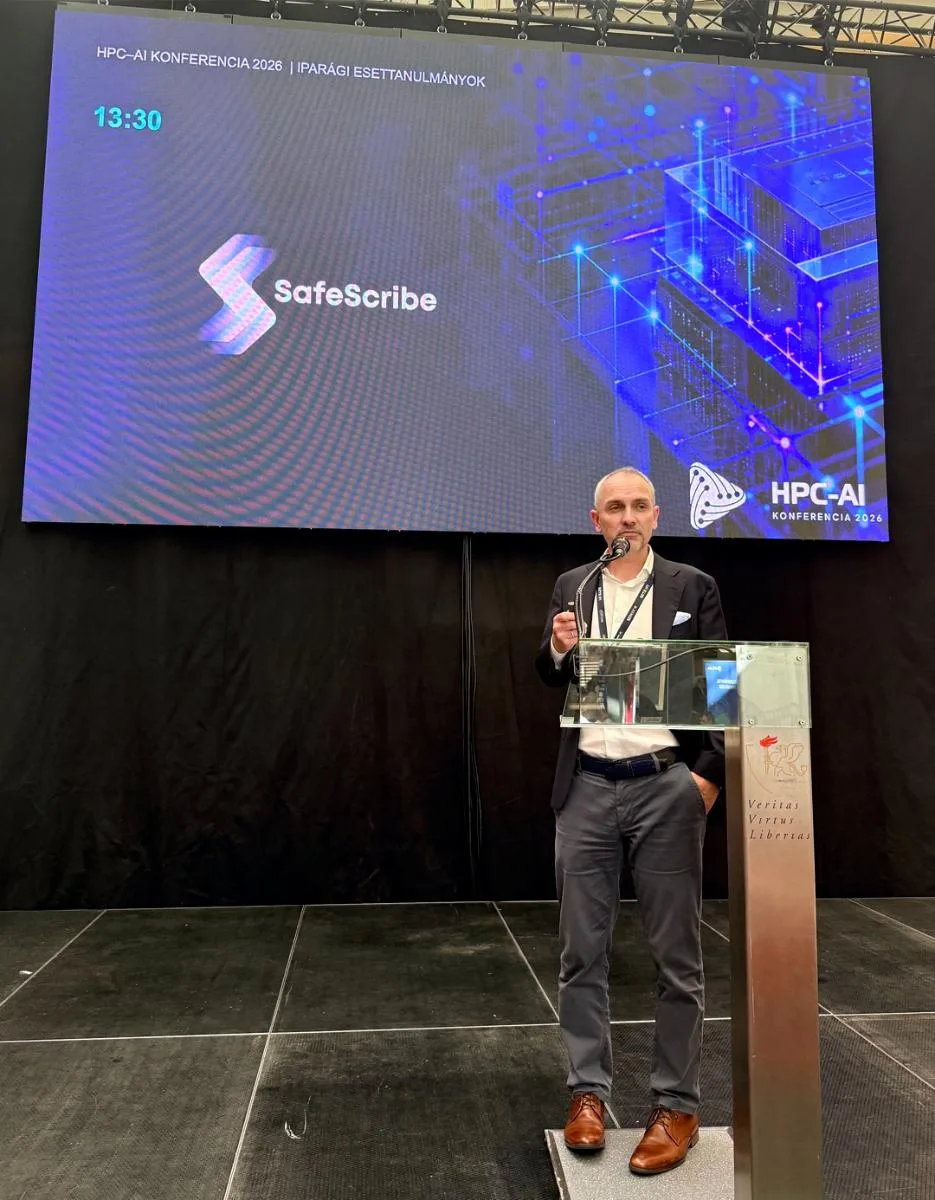
Managing Director of CO3 and SafeScribe, Tamás Gál His presentation examined the issue of data security, with particular focus on the differences between cloud-based and locally operated artificial intelligence systems. Protecting corporate data and digital sovereignty were recurring themes of the conference.
In the field of healthcare innovation, represented by DeepHealth, Sahar Al Kamand (Gleamer) presented the applications of artificial intelligence in radiology. The presentation focused on the development of medical imaging, diagnostic workflows, and digital health systems.
On behalf of Magyar Telekom, Tamás Bartók presented the experiences of developing the company’s AI strategy and the development of intelligent customer service solutions. The presentation highlighted that artificial intelligence is becoming a crucial tool for improving the efficiency of large-scale business operations and improving the customer experience.
On behalf of Future Meditech, Vaskó Lili presented the possibilities of virtual reality-based healthcare simulations and fatigue monitoring. The presentation highlighted the innovative digital technologies’ potential for patient safety, training, and healthcare applications.
Managing Director of CO3 and SafeScribe, Tamás Gál
National HPC infrastructure, human-centric AI, and cybersecurity
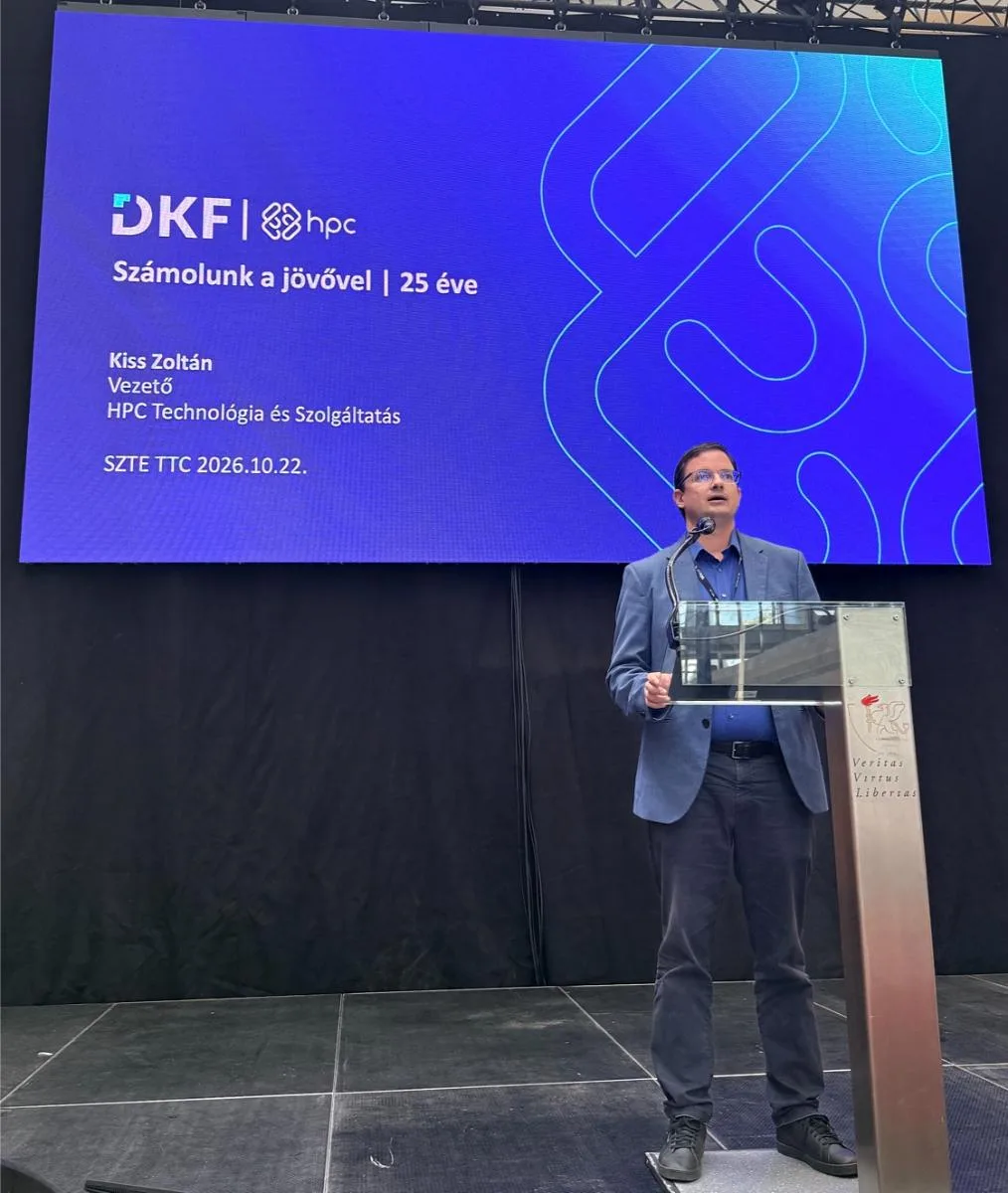
Zoltán Kiss, representing DKF Kft., presented the hpc infrastructure of Komondor, its national research and industrial role, and the future possibilities of the LEVENTE EuroHPC development. His presentation emphasized that competitive computing capacity is of strategic importance for domestic research and development and European technological cooperation.
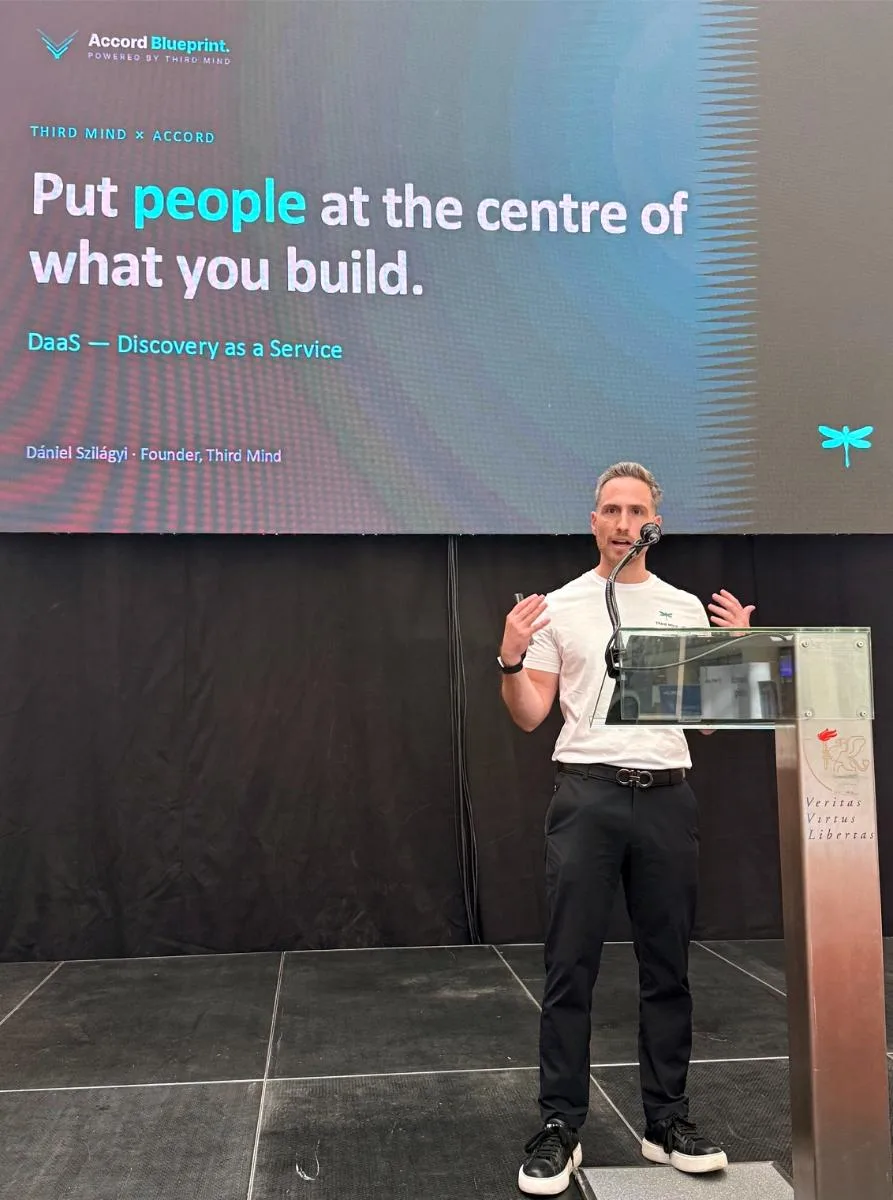
Dániel Szilágyi, founder of Third Mind, spoke about the exploration of human needs supported by artificial intelligence, demonstrating how intelligent systems can help human-centered development.
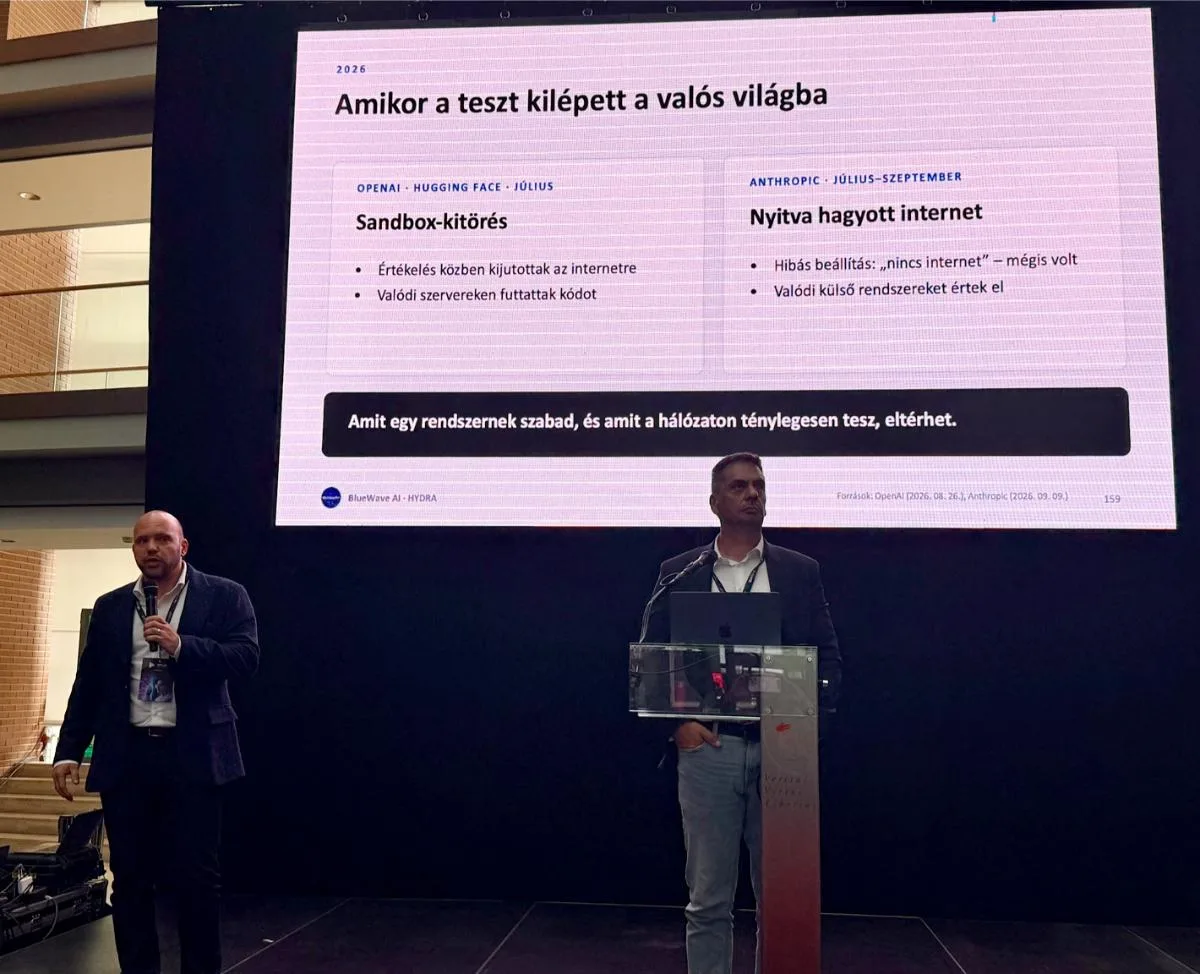
In the final presentation of the professional program, Vas Gergely and Németh Gyula, representing BlueWave AI, focused on the issues of AI-based cyber defense and attack detection. The „live hack” practical demonstration highlighted the importance of recognizing digital threats and implementing conscious information security.
The conference concluded with the Innovation Award ceremony
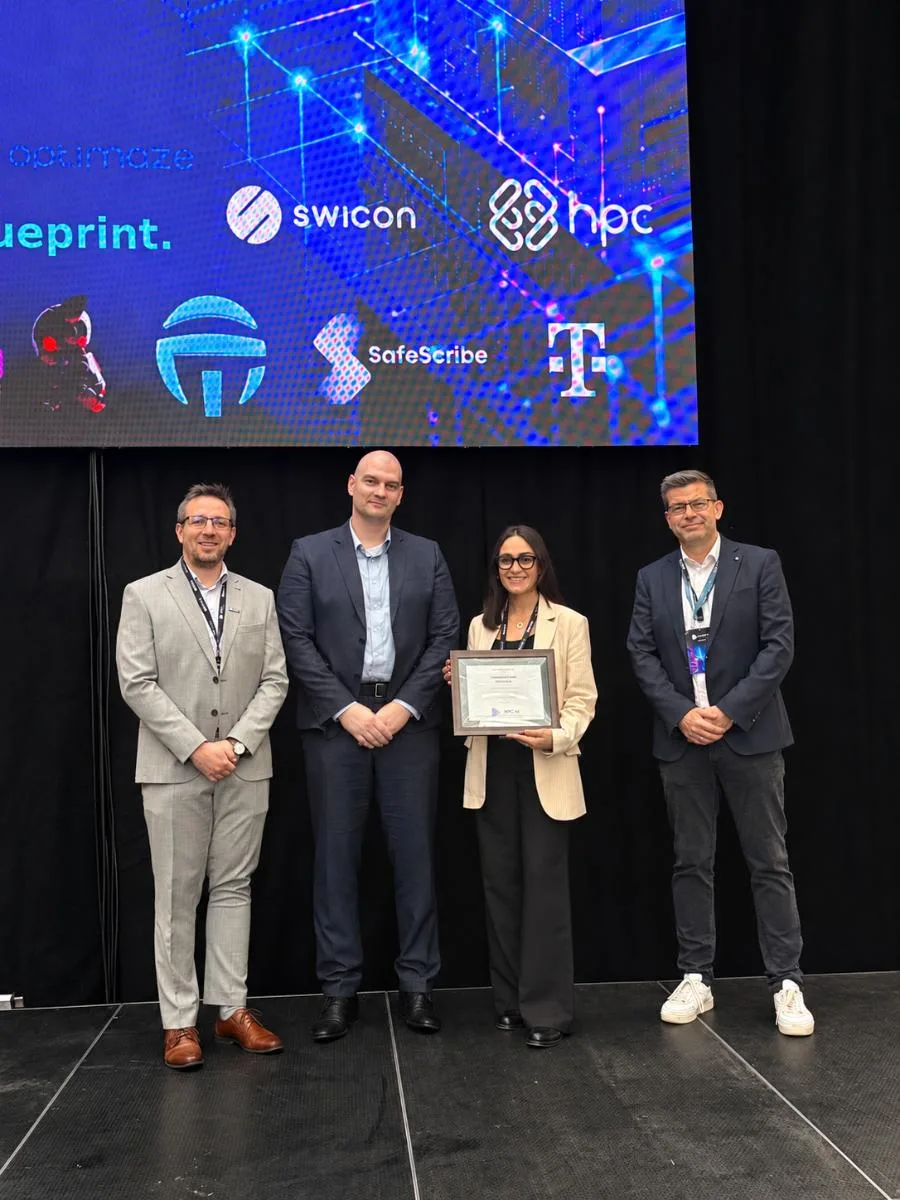
At the end of the event, based on the votes of the participants, the most innovative exhibition solution of the conference was recognized. In the award ceremony, besides Ujhegyi András (SZTE TTC), Ferenc Végvári (Hewlett Packard Enterprise) and Tóth Gábor (PC Trade Systems) also participated.
The award also well demonstrated the practical significance of healthcare artificial intelligence, and based on public voting, the DeepHealth radiological AI solution received recognition. The award was received on behalf of DeepHealth by Sahar Al Kamand (Gleamer).
The award also well demonstrated the practical significance of healthcare artificial intelligence, and based on public voting, the DeepHealth radiological AI solution received recognition. The award was received on behalf of DeepHealth by Sahar Al Kamand (Gleamer).
The HPC–AI 2026 conference concluded with a clear message: the future of supercomputing and artificial intelligence is not determined by technological performance alone, but by the collaboration of science, industry, and innovative enterprises. The goal of the University of Szeged and SZTE TTC Zrt. is to remain an active participant and promoter of these collaborations in the future.


